
Railway Jobs in India: A Career Track That Never Derails
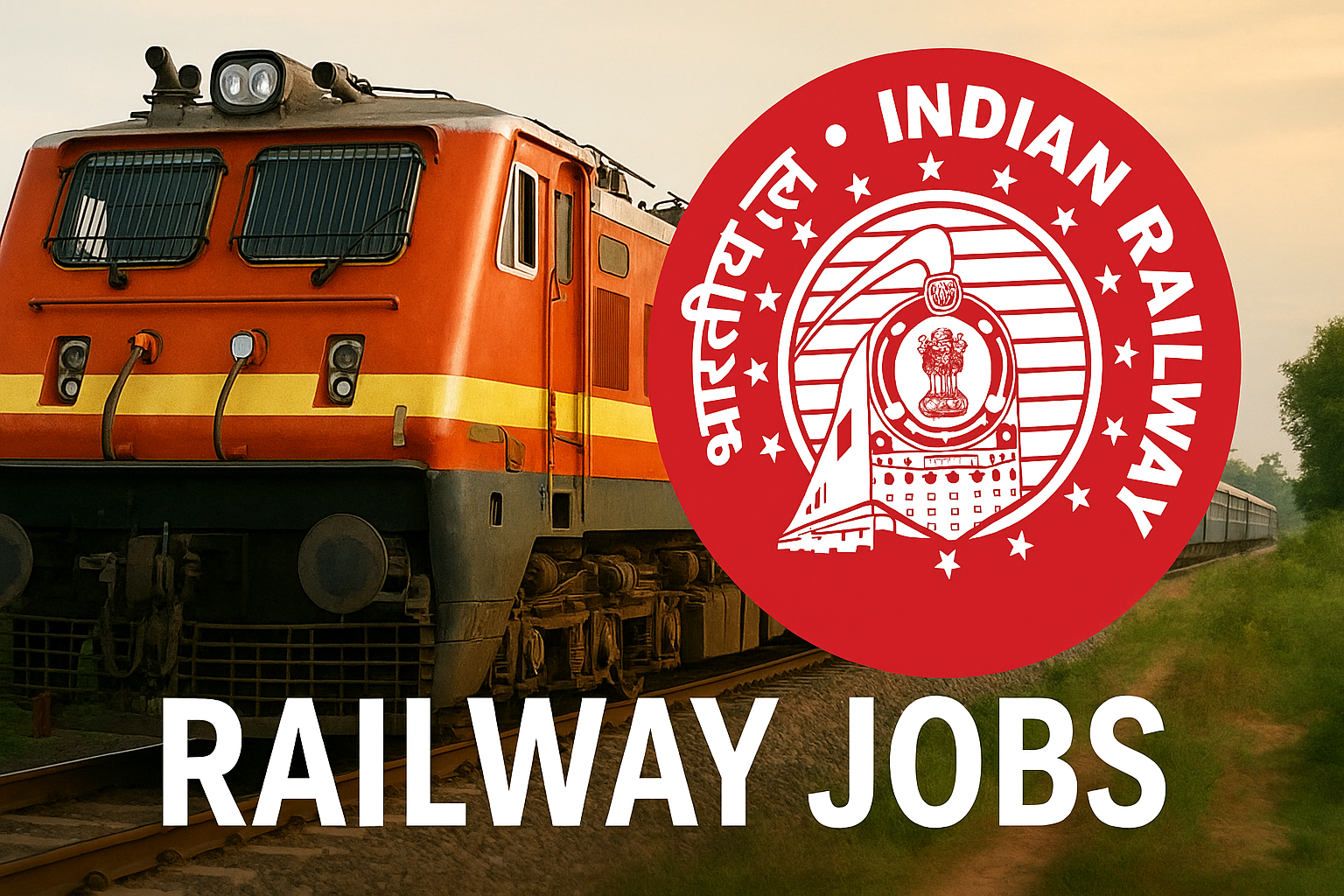
In a country as vast and diverse as India, the Indian Railways is more than just a transportation network—it’s a lifeline that connects millions of lives every single day. But beyond the passengers and cargo, there lies an equally vital engine: the massive workforce that keeps the wheels of the nation turning. Railway jobs in India have long been seen as symbols of stability, respectability, and a secure future. Even in the age of startups and private-sector booms, the charm of a government job, especially in the Indian Railways, remains undiminished.
The Legacy and Scale
The Indian Railways, founded in 1853, is one of the largest employers not just in India but across the globe. With over 1.4 million employees, it operates thousands of trains across more than 67,000 kilometers of track. From engineers and station masters to clerks, technicians, and loco pilots, the railway system functions like a well-oiled machine powered by human effort at every level.
But what makes railway jobs so appealing, especially to young aspirants from rural and semi-urban areas?
Why Choose a Railway Job?
1. Job Security: One of the most compelling reasons people aspire to railway jobs is the unmatched job security. In a time where layoffs and economic instability are common, a railway job offers a stable income and peace of mind.
2. Attractive Salary and Perks: The pay structure in Indian Railways, especially after the implementation of the 7th Pay Commission, is highly competitive. Employees also enjoy a host of perks such as travel allowances, housing benefits, medical facilities, and pensions.
3. Growth Opportunities: Indian Railways offers structured growth with regular departmental exams, promotions, and the chance to climb up the ladder through dedication and performance.
4. Diversity of Roles: Whether you are a 10th pass candidate or a graduate with an engineering degree, there is a wide spectrum of jobs available. From Group D positions to technical, administrative, and engineering roles—there’s something for everyone.
5. Social Respect: Railway employees often command respect in their communities. Their jobs are considered honorable and reliable, which adds to the aspirational value.
Popular Posts in Indian Railways
Group D Posts: Track Maintainer, Helper, Assistant Pointsman – generally for 10th pass candidates.
Clerical and Typing Jobs: Junior Clerk cum Typist, Accounts Clerk – for 12th pass or graduates.
Technical and Engineering Roles: Junior Engineer (JE), Senior Section Engineer (SSE), and roles in RRB NTPC.
Loco Pilot and Assistant Loco Pilot: Responsible for driving trains—a dream job for many.
Station Master: A high-responsibility job that ensures the smooth operation of a railway station.
Railway Protection Force (RPF): Ensures the safety and security of passengers and railway property.
The Recruitment Process
Railway recruitment is handled mainly through the Railway Recruitment Board (RRB) and Railway Recruitment Cell (RRC). Exams are conducted in various zones, and lakhs of candidates apply every year.
The selection process typically involves:
A Computer-Based Test (CBT)
Physical Efficiency Test (for Group D and RPF)
Document verification
Medical examination
What sets railway recruitment apart is its transparency and adherence to merit-based selection, making it one of the most sought-after government job platforms.
A Human Story Behind Every Job
While statistics and posts define the technical side, the human side of railway jobs is what makes them truly special. Meet Ramesh from a small village in Uttar Pradesh. Once a farmer’s son with dreams of financial independence, he cracked the RRB exam and now works as a technician in Northern Railways. Or consider Priya from Chennai, who became a Station Master at 27, breaking gender stereotypes and inspiring girls in her community.
These stories aren’t exceptions; they are examples of how the Indian Railways transforms lives—giving people not just employment, but a sense of identity, pride, and purpose.